IoT of Think

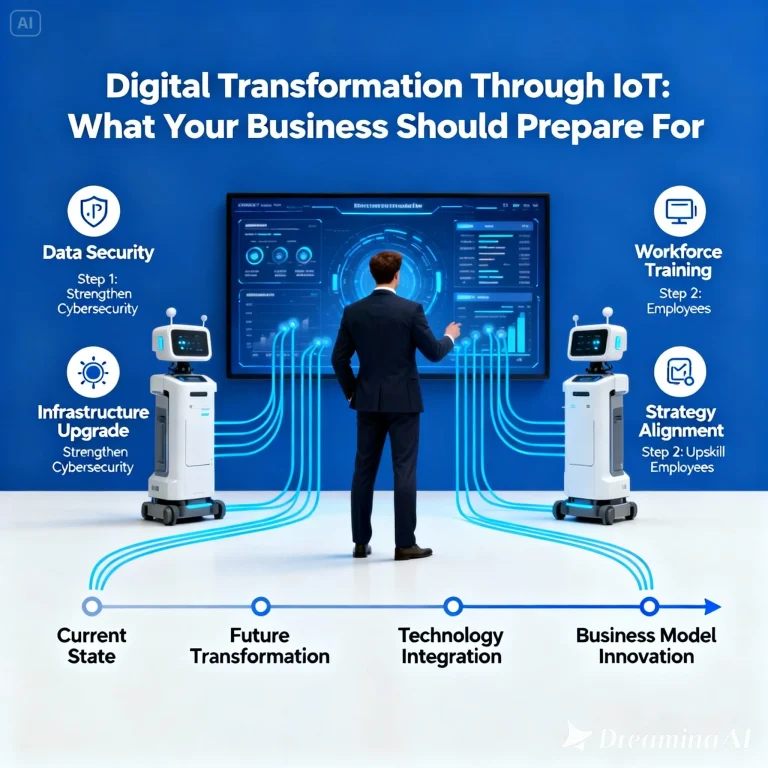
Imagine a city that listens — not in the eerie way of surveillance, but with the gentle intelligence of systems that learn when to water parks, when to brighten streets, when to route buses around sudden jams. Welcome to 2025, where the phrase IoT of Think describes a shift: Internet-connected sensors and devices that don’t only report data, they reason at the edge, cooperate with cloud intelligence, and turn insight into action. This isn’t futuristic wishful thinking — it’s already unfolding across urban grids, homes, and factory floors. IBM+1. Read More : The Role of Women in A Family Business: Empowering the Next Leaders
What IoT of Think means for cities and citizens

At its heart, IoT of Think is about devices that sense and systems that think — embedded computing at the edge, federated learning, and faster decision loops that reduce latency and human friction. Cities apply these layers to traffic management, waste collection, energy balancing and environmental monitoring, turning disparate sensors into coordinated, purpose-driven services that improve daily life and resilience. Concrete examples in 2025 include adaptive traffic lights, predictive public-transport re-routing, and real-time air-quality alerts — practical wins that prove smarter infrastructure pays back in safety and convenience. TEKTELIC+1. Read More : The Benefits of Having a Separate Business Bank Account: Financial Tips for Entrepreneurs
Homes that learn, not just connect

Smart homes have matured from novelty apps to empathetic assistants. With IoT of Think, thermostats, lighting and security units learn occupant routines while preserving privacy through on-device inference. Instead of sending every raw datapoint to a distant server, appliances locally decide when to conserve energy, schedule appliance cycles during low-tariff windows, or nudge residents with wellness reminders — small acts that compound into big cost and comfort gains. This local-first intelligence also reduces bandwidth costs and makes experiences faster and more dependable. TEKTELIC. Read More : The Evolution of Business Formal Attire: What’s Changed in the Last Decade?
Industry: efficiency, safety and new business models

Manufacturing and logistics are among the biggest beneficiaries of IoT of Think. On factory floors, edge-enabled sensors predict failures before they happen, schedule maintenance autonomously, and optimize production flows in real time. In logistics, fleets reroute dynamically to avoid delays and manage inventory using sensor-driven triggers. These capabilities shift business thinking from reactive firefighting to proactive optimization, unlocking measurable ROI and enabling new as-a-service offerings that blend hardware, connectivity and outcomes. Digi International+1
The tech backbone: interoperability, edge AI and secure fabrics

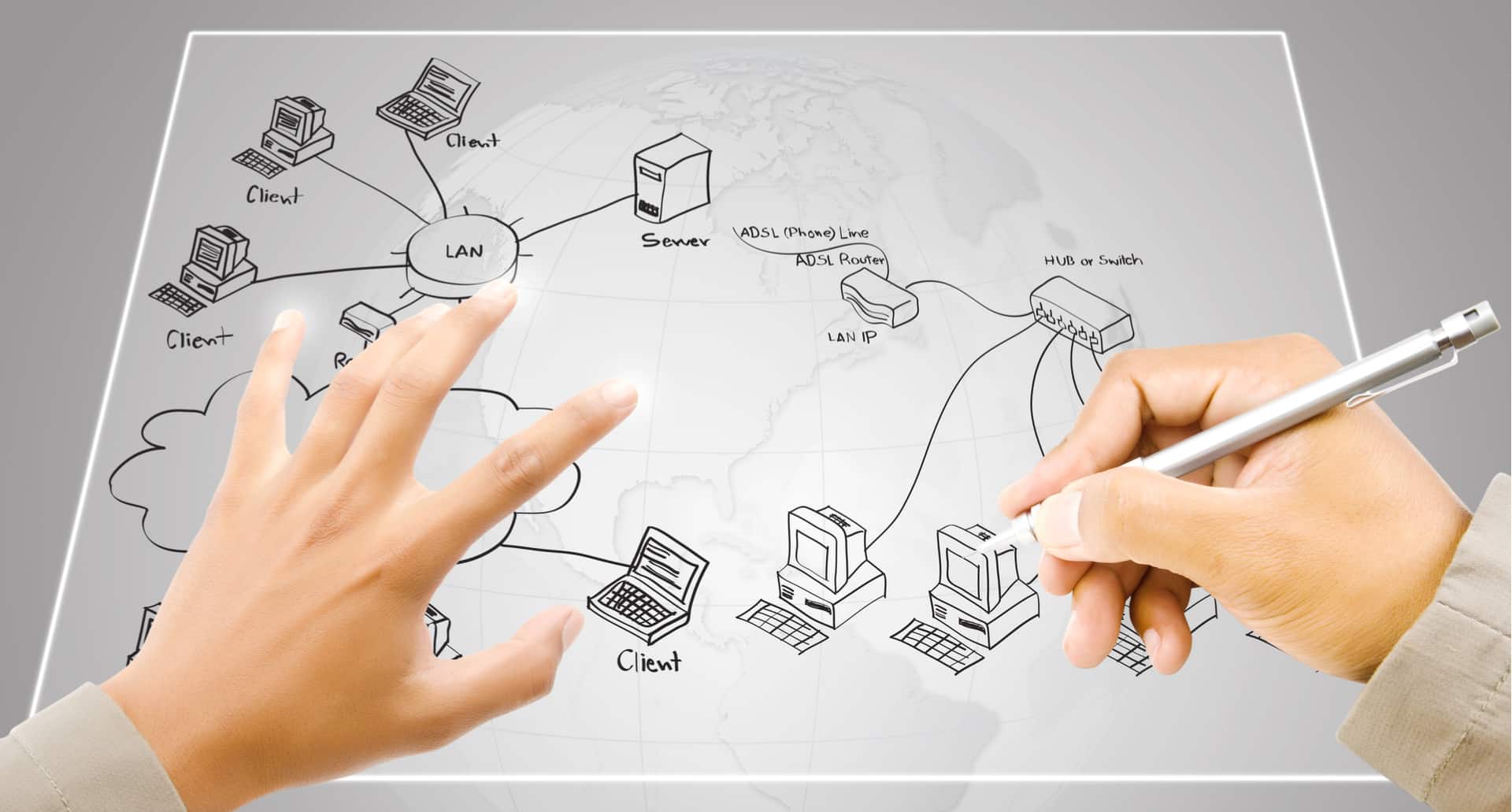
For IoT of Think to scale, three technical pillars matter: interoperable protocols so devices can speak the same language, robust edge AI that compresses insight locally, and security fabrics that protect both data and device integrity. Academic and field research have long stressed architectures that combine gateways, constrained-device protocols and context-aware analytics to make urban deployments reliable and maintainable. Cities and companies that invest in these pillars avoid costly rework and accelerate value capture. MDPI+1
People-first deployment: design, trust and skills
Technology alone won’t deliver the promise. The most inspiring IoT of Think projects put people front and center: co-design with residents, transparent data governance, and clear feedback loops that show citizens how sensors improve services. Equally important is workforce upskilling — data engineers, edge-deployment specialists, and ethics-savvy product owners who translate technical capability into human impact. When cities and companies commit to inclusive rollouts, adoption follows naturally and momentum builds. purrweb.com. Read More : 5G Signal vs. Wi-Fi 6: Which One Powers the Next Digital Era?, with five G Signal
Practical opportunities for leaders in 2025

Leaders who want to ride the IoT of Think wave should prioritize use cases with fast feedback loops and clear metrics — think energy savings per building, minutes saved in commuting, or percent uptime improvement in production lines. Pilot small, instrument for measurement, and design contracts that share risk between vendors and outcomes. That pragmatic approach turns pilots into pilots-turned-platforms, and platforms into competitive advantage. Digi International+1
Closing invitation (no conclusion)

The trajectory is clear: 2025 is the year the internet of devices gains a smarter brain and a kinder hand. IoT of Think is not merely a technical upgrade — it’s a philosophy that asks engineers and leaders to build systems that think responsibly, act locally, and serve people. If your city, home or business is still wondering how to begin, start with one measurable problem, instrument it, and let the small wins inspire bigger change.
Sources & recent research used for this piece: IBM’s explainer on IoT; market and application overviews of IoT in smart cities and industries; recent technical and academic work on IoT architectures and interoperability; practical field articles on deployments and ROI. purrweb.com+4IBM+4Digi International
About the Author