Ransomware Attack

In today’s interconnected world, no organization — big or small — is immune to cyber threats. The devastating impact of a Ransomware Attack can bring global networks to a standstill, disrupt critical services, and threaten data integrity. Fortunately, recent research and expert insights reveal actionable prevention techniques that help organizations not only prepare for future incidents but also bounce back stronger. Here’s a friendly and inspiring look at seven key ways to guard your network and stay resilient in the face of digital adversity. Read More : Top Features You Unlock with WhatsApp Business Download for E-Commerce
1. Build Rock-Solid Backup and Recovery Systems

One of the most essential defenses after experiencing a Ransomware Attack is to reinforce your backup strategy. It’s not enough to simply store backups — they must be secure, isolated from the primary network, and regularly tested to ensure they work when you need them most. Modern practices advocate keeping multiple copies of data, including offline and immutable storage, so that even if attackers penetrate your system, your essential information remains untouched and recoverable. Regularly testing restore processes ensures that teams are ready to act confidently under pressure. Read More : Top Economic Trends to Watch in 2024 According to Finance Yahoo
By thinking of backups as a lifeline rather than an afterthought, you shift from reactive stress to proactive confidence — every successful restoration becomes a little victory on your path to resilience.
2. Empower Teams with Security Awareness Training

Human error remains one of the most common entry points for Ransomware Attack attempts. Phishing emails, suspicious attachments, and cleverly disguised links are still top tactics used by attackers to deceive unwary employees. Read More : Small Capital Business Trends Every Aspiring Entrepreneur Should Know
Investing in ongoing, engaging cybersecurity education ensures that every member of your organization becomes a critical line of defense. Regular training sessions reinforce security best practices, teach recognition of threats, and build a culture where everyone feels empowered to act responsibly — and report anomalies without hesitation.
3. Lock Down Access With Multi-Factor Authentication (MFA)
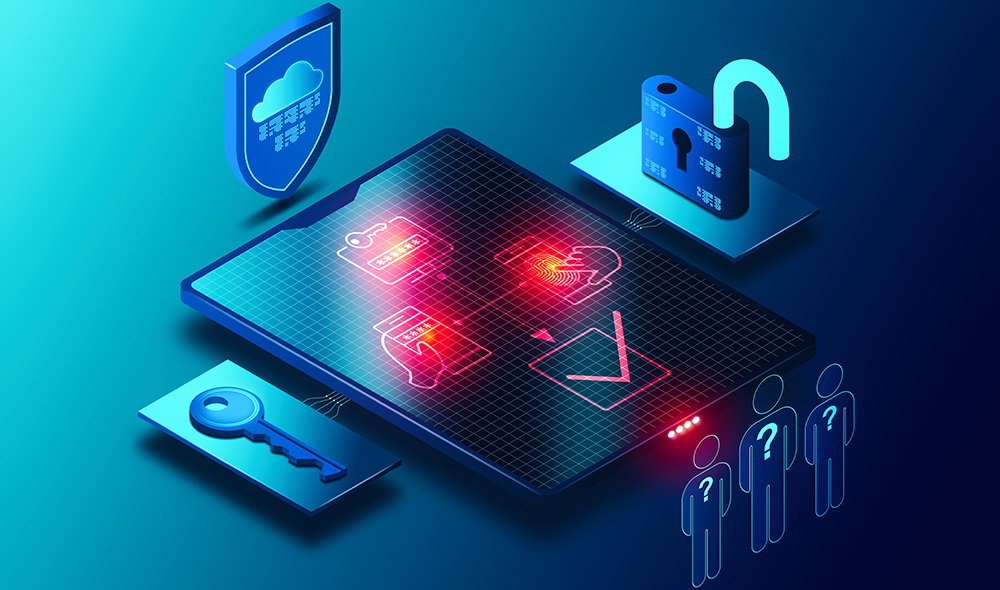
In the aftermath of a Ransomware Attack, many organizations realize that compromised credentials were the weak link. Adding a second — or even third — verification step dramatically strengthens access controls. Multi-Factor Authentication (MFA) has proven to be one of the most effective barriers against unauthorized access, even when passwords are stolen. Read More : 10 Reasons Why You Should Take a Digital Marketing Course in 2025
Whether it’s biometric verification, one-time codes, or hardware security keys, implementing MFA across systems creates a security mindset that says: We don’t just protect our data — we guard access to it with vigilance and care.
4. Zero Trust and Network Segmentation: Trust No One by Default

Gone are the days when firewalls and perimeter defenses alone could stop cybercriminals. Today’s best practices for defending against Ransomware Attack threats include adopting a Zero Trust model and logical network segmentation.
Zero Trust assumes that threats can exist both outside and inside your network, and thus requires verification at every access point. Meanwhile, segmenting your network into isolated zones ensures that even if an attacker breaches one section, they can’t easily move laterally to other sensitive areas. This approach dramatically limits the blast radius of any attack and sets the stage for faster containment and recovery.
5. Patch and Harden Every System Regularly
Cyber attackers love exploiting known vulnerabilities — especially those that are easy to fix. One of the simplest preventive steps after a global Ransomware Attack is to ensure all operating systems, applications, and firmware are up to date with the latest security patches.
Automating updates — rather than relying on manual installs — reduces the risk of oversight, while regular audits help identify any missed patches or neglected systems. This ongoing commitment to software health not only improves security but also cultivates a culture of diligence and care.
6. Deploy Advanced Detection Tools Across Endpoints

Technology is a powerful ally in the fight against Ransomware Attack threats. Modern cybersecurity tools — including Endpoint Detection and Response (EDR), Extended Detection and Response (XDR), and Intrusion Detection Systems — monitor activity in real time, spotting unusual behavior and anomalies before full-blown damage occurs.
Think of these tools as digital sentinels: always scanning, always learning, and always ready to notify your team of suspicious patterns. The earlier a threat is detected, the faster your response can be — turning potential disaster into manageable incident.
7. Create and Practice a Detailed Incident Response Plan

Finally, no matter how prepared you are, there’s always a chance that threats will evolve faster than defenses. That’s why a comprehensive Incident Response Plan is a must for organizations that want to flourish after a Ransomware Attack.
This plan should outline every step — from initial detection and communication protocols to system isolation and coordinated recovery actions. Regular practice drills deepen team readiness and reduce hesitation during real events. When your response team knows exactly what to do, every second counts — and the impact of a breach can be dramatically minimized.
About the Author